
How to Justify Flood Resilience Investments Without Waiting for a Disaster
- Feb 12
- 4 min read
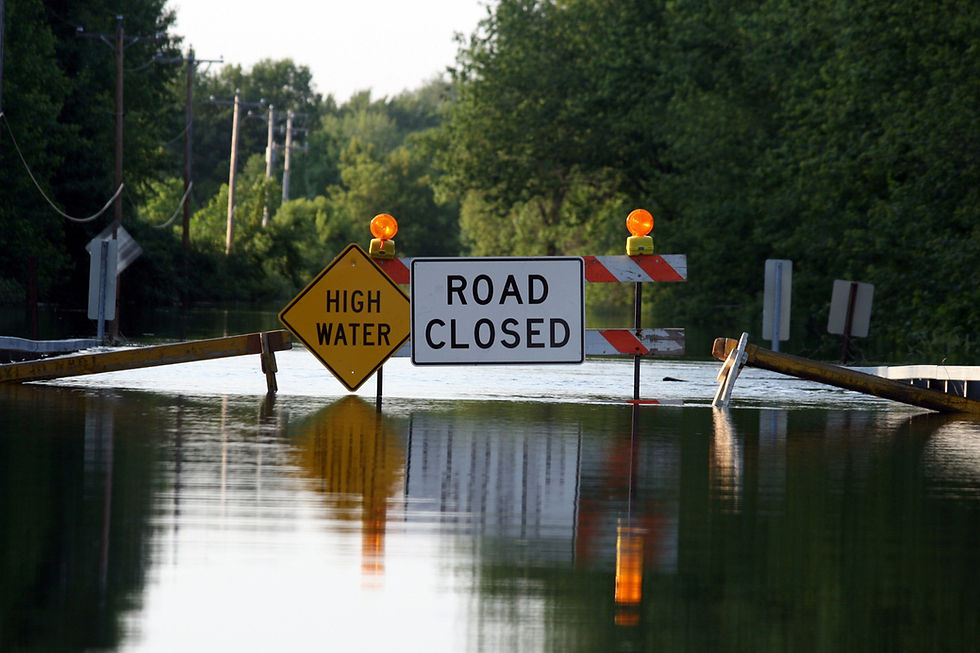
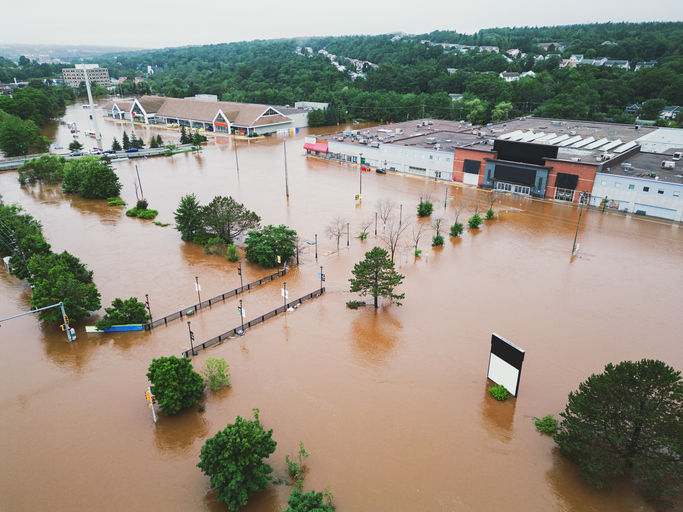
Flood resilience investments are often shaped in the aftermath of major flood events, when response teams are operating under intense pressure to protect lives, restore services, and support recovery.

But here is the truth—when it comes to flooding, our memory is short. When the immediate crisis passes, the window to translate lessons learned into long-term resilience investments begins to narrow. In the first 12 months following a major flood, response and recovery funding flows into impacted communities, but understandably, much of it is directed toward urgent repairs and restoration. Communities are stressed, resources are limited, and strategic mitigation planning often takes a back seat.
Several years later, attention shifts as competing priorities emerge, and flood risk can gradually move down the agenda altogether.
Ironically, the years with fewer flood events are the hardest time to justify investment, and the most important time to do it. Low-event years create a unique opportunity: space to plan, align stakeholders, secure funding, and make defensible, long-term resilience decisions.
The challenge is not a lack of awareness or expertise; it’s turning that known risk and lived experience into defensible, fundable business cases, before the next disaster compresses timelines again.
Flood “Risk Creep”
When flood events are not making headlines, risk becomes harder to see. Not because it disappears, but because communities are balancing many competing priorities. Housing, transportation, utilities, economic development, fire services, and public safety all require attention and investment.
At the same time, flood risk continues to evolve through slow but continuous creep in both likelihood and consequence:
Development expands into new areas as the population increases
Infrastructure ages
Catchments change
Weather patterns shift
Sea levels rise
Risk accumulates quietly, even when impacts are not immediately visible. It can look like a new daycare center built in a low-lying area to meet community demand. A summer camp expanding operations along a river because it’s beautiful and accessible. A nursing home development with ocean views.
For community development leaders, capital planners, and resilience teams, the challenge is less about understanding flood risk and more about explaining it in ways that hold up in budget discussions, funding applications, and long-term planning, especially when there hasn’t been a recent event to point to.
Translating Experience into a Strong Business Case
Emergency managers and resilience leaders understand flood risk deeply through experience. What funding bodies and executive decision-makers often need, however, is clear documentation that connects that experience to measurable impacts such as:
Service disruption and downtime
Evacuation timeframes
Possible loss of life
Community isolation due to road impacts
Asset exposure and damage potential
Revenue loss and recovery costs
Community and economic disruption

When flood risk is framed this way, the conversation changes. It moves from a general discussion about risk to a concrete conversation about investment, priorities, and trade-offs.
FloodMapp helps support that shift, not by replacing professional judgement, but by giving teams defensible evidence of flood impacts to back up what they already know when it’s time to make the case internally or apply for funding.
Strengthening Funding and Capital Proposals Before the Next Event
Many resilience and mitigation funding programs, such as NEMA’s Disaster Resilience Funding (DRF), FEMA’s Emergency Management Performance Grant (EMPG), and state resilience funds, ask agencies to complement narrative justification and professional judgment with documented evidence of risk and benefit.
FloodMapp strengthens these proposals by helping organizations:
Quantify who and what is exposed
Demonstrate how mitigation reduces long-term costs
Align projects with funding criteria
In quiet years, this evidence becomes especially valuable. It allows communities to prioritize funding deliberately rather than under the constraints of disaster response timelines, when bandwidth and resources are limited.
Supporting Utilities and Capital Planning with Better Risk Insight
For utilities, infrastructure operators, and capital planners, flood resilience isn’t just an emergency management issue. It's a service continuity and asset protection issue.
Impact-based flood intelligence helps you:
Decide which infrastructure upgrades matter most
Understand which networks and facilities are most exposed
Tie capital investments back to documented risk
Reduce costly, unplanned downtime and emergency repairs
When organizations have a clear picture of which assets and systems are most vulnerable, they can make smarter investment decisions, ones that protect reliability, public safety, and long-term financial stability.

FloodMapp’s Role: Supporting Evidence-Based Decisions
FloodMapp is built to support the expertise that emergency managers, planners, and infrastructure leaders already bring to the table, not replace it.
Impact-based flood intelligence helps teams turn what they know into documentation that holds up across the organization. This includes:
Translating flood risk into clear, defensible evidence
Supporting funding requests and capital planning decisions
Creating a shared understanding of exposure across departments
Bringing consistency to resilience planning before the next event
The goal isn’t to change how teams think about flood risk; it’s to give them better tools to communicate it, justify it, and plan around it.
Quiet Years Are a Rare Opportunity
Major flood events force rapid decisions and compressed timelines. Quieter years offer something different: time to step back, align priorities, and plan deliberately.
Communities that use these periods to document risk, pursue funding, and strengthen infrastructure are better positioned when floods return, not because they move faster in the moment, but because the groundwork is already in place.
Flood resilience is built by carrying lessons learned during response into everyday planning and investment decisions, long before the next storm arrives.
Explore how flood intelligence can support your resilience planning, funding strategies, and capital investment decisions. Request a demo.

Fantastic piece! 모바일 상품권 즉시 현금화 This is exactly the kind of thoughtful reporting we need more of. Thanks so much for keeping us informed and engaged with the issues that matter!
Fantastic piece! This is exactly the kind of balanced, well-researched reporting we need more of. See more information Really appreciate the depth and clarity you brought to this important story!
This is such an inspiring story! 소액결제현금화 I love how it highlights the positive impact people can make in their communities. Thanks for keeping us informed on these wonderful developments!
Excellent reporting! This piece really shed light on an important topic that doesn't get enough attention. See more information Thanks for doing such thorough and balanced journalism!
Posts like this make browsing much more enjoyable. I appreciate the effort behind your work. The GeoDash game page gave a nice overview of level layouts, obstacles, and game controls. It answered several questions I already had.