
Hurricane-Ready: 5 Flood Response Essentials Every Emergency Manager Needs This Season
Updated: Jul 10, 2025
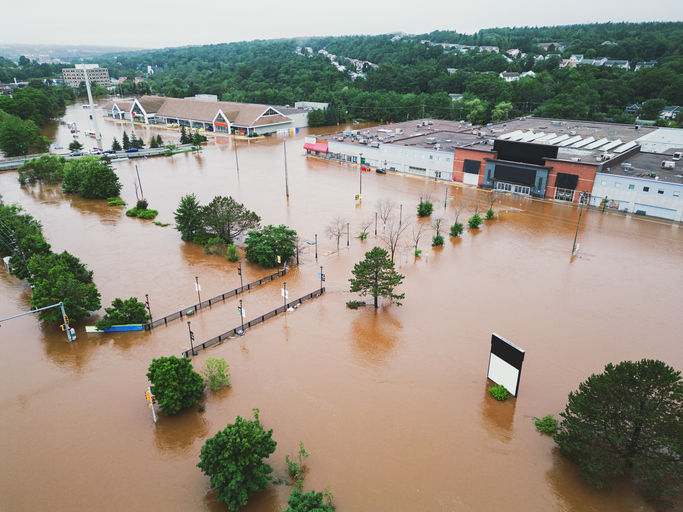
Hurricane Helene was catastrophic and caused an estimated $30.5 billion to $47.5 billion in damages. What you may not realize is that up to 86% of this damage ($26 - $41 billion)1 was caused by flooding, including coastal storm surge, riverine flooding, and flash flooding from intense rainfall.
As hurricane season intensifies, so does the pressure on emergency managers to stay ahead of destructive storms. Coastal and inland communities alike are facing increased flood risks due to recurring severe weather events, aging infrastructure, and complex logistics.
This year, agencies are stepping up with modern tools and advanced strategies. Below, we break down the top 5 actions emergency managers are taking to get hurricane-ready, and how live and predictive flood intelligence supports each step.
1. Identify At-Risk Areas with Predictive Flood Modeling
Knowing where flooding is most likely to occur is the first step toward effective preparation. With FloodMapp ForeCast, agencies can visualize street-level flood impacts 72 hours before the event starts.
ForeCast helps you:
Pinpoint flood-prone roads, neighborhoods, and critical infrastructure
Disseminate targeted alerts and warnings
Prioritize evacuation planning
Protect sites and mitigate flood damage to assets
Allocate response resources more efficiently
2. Plan and Communicate Evacuation Routes
Once you know where the water is going, the next step is routing people and crews safely during the flood event. NowCast to help you:
Identify flood-safe routes for emergency responders
Gather and maintain dynamic situational awareness on impacted roadways
Send localized and personalized alerts to communities at risk
Whether integrated into Waze for live traffic routing, your Esri dashboard, or shared with custom alerting platforms (such as Genasys), FloodMapp supports more informed, faster decisions when there is no time to waste.

3. Position Response Resources Strategically

Strategic staging of personnel and supplies can make or break a response effort. With hourly updates from NowCast, your field crews and swift-water teams stay informed about:
Real-time flood movement
Road access and closures
Safe zones for staging and response
This insight helps optimize high-clearance vehicle routes, sandbag deployments, and emergency shelter access. Most importantly, it helps keep your teams safe in the field.
4. Coordinate in Real Time with Live Dashboards
Flood conditions evolve rapidly. With FloodMapp, you get dynamic flood data delivered directly to your existing systems.
Benefits for your EOC and agency partners:
Unified situational awareness
Custom alerts for rising water and critical thresholds
Scalable common operating picture across departments
5. Accelerate Recovery with Post-Flood Intelligence
FloodMapp’s PostCast gives you rapid access to high-resolution flood depth and extent maps and data, without waiting for satellite imagery or on-the-ground surveys.
Use it to:
Assess damage quickly and accurately
Understand how many homes or assets have been impacted, and in which regions
Inform grant program submissions to access disaster recovery funding
Prioritize repairs and clean-up efforts
PostCast helps your agency transition from response to recovery in record time.

Be Hurricane-Ready with the Right Tools
In emergency management, preparation isn’t a checklist—it’s an operational system. FloodMapp empowers your agency to act sooner, respond smarter, and recover faster with flood intelligence built for real-time decision-making.
Request a demo to enhance your flood toolkit.


This article gives a clear overview and makes the topic easy for readers to follow. While searching for additional information, I came across jaya9 best and found it relevant to the broader subject. Comparing information from different sources is a good way to understand online entertainment platforms more clearly.
Mapping flood risks and coordinating emergency resources feels similar to optimizing production chains on satisfactorycalculator, as both tools turn complex predictive data into actionable, streamlined planning for critical workflows.
Excellent piece! This is exactly the kind of thoughtful, well-researched reporting we need more of. Learn more here Really appreciate you covering this important story with such clarity and balance!
La explicación sobre cómo jugar la lotería está presentada de forma clara y ordenada. Cada artículo desarrolla el tema con un enfoque educativo, permitiendo comprender fácilmente las reglas y conceptos básicos de los diferentes juegos.
Great article! Discover more I really appreciated how thoroughly you covered this topic and presented multiple perspectives. Keep up the excellent reporting!