
What’s at Risk When Flood Resilience Isn’t Funded?
Flood resilience rarely becomes a priority until after disaster strikes.
When major flood events dominate headlines, funding flows, conversations shift, and investments accelerate. But when federal priorities change, or funding programs are reduced, the consequences are not always immediately visible.
Flood resilience funding underpins planning, preparedness, mitigation, and the tools that emergency managers rely on when the next storm arrives.
When that funding shifts or disappears, communities don’t just lose projects. They lose time, coordination, and protection.
July 2025 Texas Flood: A Reminder of What Access to Tools Enables
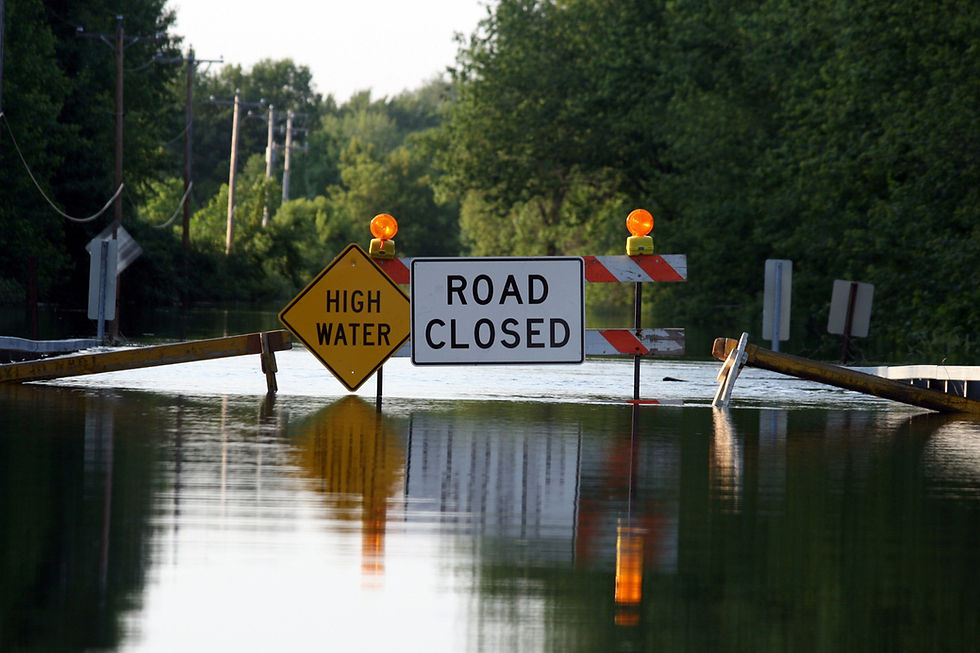
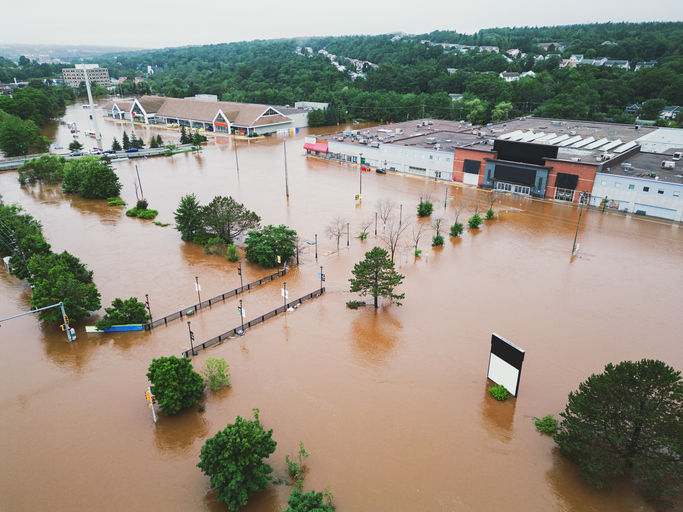
The July 2025 floods in Texas Hill Country were devastating. Lives were lost. Infrastructure was damaged. Recovery efforts stretched local and state resources.

During the event, state leaders worked to strengthen situational awareness by incorporating additional flood intelligence tools to support response coordination. Even in the middle of crisis, access to real-time impact data helped improve visibility into road closures, structural impacts, and evolving conditions on the ground.
When flood intelligence tools are available, even if deployed during an active event, they can support faster coordination, clearer communication, and more informed decision-making.
Now consider the broader question.
What could sustained, long-term resilience funding enable if those systems were fully integrated before the next flood arrives?
This isn’t about second-guessing past decisions. It’s about recognizing how funding continuity shapes preparedness capacity over time. Flood resilience funding supports:
Real-time situational awareness
Impact-based forecasting
Evacuation and routing coordination
Post-event damage assessment and recovery documentation
When communities have consistent access to these capabilities, they build institutional knowledge and operational familiarity before the next disaster strikes. Without that continuity, response teams are often forced to rely more heavily on reactive recovery efforts under compressed timelines.
What Local Governments Stand to Lose
When federal resilience funding programs shrink or shift direction, local governments feel the impact first. What disappears isn’t just line items in a budget, it’s:
Planning studies that never get completed
Mitigation projects that stall
Data systems that remain outdated
Personnel capacity that never scales
Tools that never get implemented
And the loss compounds over time.
Flood risk does not pause when funding does. Communities continue to grow. Development continues in exposed areas. Infrastructure continues to age. Weather patterns continue to intensify.
Without consistent resilience investment, exposure increases while preparedness lags behind.
Why Is Flood Preparedness Treated Differently Than Fire?
We regulate fire.
Buildings require fire alarms. Schools run fire drills. Codes mandate sprinklers. Evacuation plans are practiced.
Fire preparedness is normalized.
Flood preparedness is not.
In many jurisdictions, flood planning remains tied to historical maps, grant cycles, and post-disaster recovery processes. Real-time flood intelligence is not yet universally treated as essential infrastructure in the same way fire detection systems are.
Yet floods cause billions in damages annually and are among the most common disaster types affecting communities across the United States and Australia.
The question is not whether flooding will occur. It is whether the systems supporting flood response will be in place when it does.
Flood Intelligence Is Public Safety Infrastructure
Flood resilience funding does more than support capital projects. It enables:
Real-time flood monitoring and impact forecasting
Operational decision support during storms
Coordinated evacuation planning
Infrastructure protection strategies
Faster, defensible recovery processes
These are not optional enhancements. They are foundational to modern emergency management. When funding shifts away from resilience, communities risk reverting to slower, more reactive models of response.
The Long-Term Cost of Short-Term Funding Shifts
Federal priorities evolve. Budget cycles change. Political landscapes shift.
But flood risk remains constant—and in many regions, increasing.
Resilience funding decisions made today shape the capacity communities will have years from now. Cutting or redirecting funding does not eliminate flood risk. It delays preparedness and shifts costs downstream, often into more expensive recovery efforts.
The cost of resilience is visible in a budget. The cost of underinvestment is visible after disaster.
A Call for Steady Commitment to Public Safety
This conversation is not about partisanship or criticism. It is about continuity.
Emergency managers, planners, and infrastructure leaders rely on stable tools and funding streams to build long-term resilience. When those streams fluctuate, planning becomes fragmented.
Flood resilience should not be treated as a temporary initiative. It is a sustained public safety commitment.
The July 2025 Texas floods reminded us of what is at stake. The question is not whether communities can afford to invest in flood resilience. It is whether they can afford not to.

Got recommended Arena King by a coworker and the strategy games on there are pretty engaging. You can sink a surprising amount of time into the kingdom-building ones. Runs well in the browser without needing to download anything.
10.0.0.0.1 is commonly searched by users trying to access their router settings, but it is not a valid private IP address. Learn the correct login address, common mistakes, and how to reach your router's admin panel easily.
Excellent reporting! 정보이용료현금화 This piece really breaks down the issue in a way that's easy to understand, and I appreciate the balanced perspective throughout. Keep up the amazing work!
What an inspiring story! Click here for details This really highlights the positive impact that communities can make when they come together. Thanks so much for covering this—it's exactly the kind of uplifting news we need more of!
Great article! Read the full article This is exactly the kind of thoughtful reporting we need more of—it really breaks down the topic in a way that's easy to understand and genuinely informative. Keep up the excellent work!